Art and Science of Operative Dentistry South Asian Edition
 Statue of Asclepius, the Greek god of medicine, property the symbolic Rod of Asclepius with its coiled serpent | |
| Specialist | Medical specialty |
|---|---|
| Glossary | Glossary of medicine |
Medicine is the scientific discipline[i] and practise[2] of caring for a patient, managing the diagnosis, prognosis, prevention, treatment, palliation of their injury or disease, and promoting their health. Medicine encompasses a multifariousness of health care practices evolved to maintain and restore health by the prevention and treatment of illness. Contemporary medicine applies biomedical sciences, biomedical research, genetics, and medical technology to diagnose, treat, and prevent injury and disease, typically through pharmaceuticals or surgery, but also through therapies as diverse equally psychotherapy, external splints and traction, medical devices, biologics, and ionizing radiations, amongst others.[three]
Medicine has been practiced since prehistoric times, during most of which it was an art (an area of skill and knowledge) ofttimes having connections to the religious and philosophical behavior of local culture. For instance, a medicine homo would utilize herbs and say prayers for healing, or an ancient philosopher and physician would apply bloodletting according to the theories of humorism. In recent centuries, since the advent of modernistic science, most medicine has go a combination of art and scientific discipline (both bones and applied, under the umbrella of medical science). While stitching technique for sutures is an art learned through practice, the cognition of what happens at the cellular and molecular level in the tissues being stitched arises through science.
Prescientific forms of medicine are at present known as traditional medicine or folk medicine, which remains commonly used in the absence of scientific medicine, and are thus called culling medicine. Alternative treatments exterior of scientific medicine having safety and efficacy concerns are termed quackery.
Etymology [edit]
Medicine (, ) is the science and practise of the diagnosis, prognosis, treatment, and prevention of disease.[4] [five] The word "medicine" is derived from Latin medicus, pregnant "a physician".[half dozen] [7]
Clinical practise [edit]
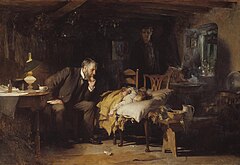

Medical availability and clinical practice varies across the world due to regional differences in culture and technology. Modern scientific medicine is highly developed in the Western world, while in developing countries such as parts of Africa or Asia, the population may rely more heavily on traditional medicine with limited evidence and efficacy and no required formal training for practitioners.[8]
In the developed world, evidence-based medicine is not universally used in clinical practice; for case, a 2007 survey of literature reviews found that about 49% of the interventions lacked sufficient bear witness to support either benefit or damage.[9]
In mod clinical exercise, physicians and dr. assistants personally assess patients in guild to diagnose, prognose, treat, and prevent illness using clinical judgment. The doctor-patient relationship typically begins an interaction with an examination of the patient's medical history and medical record, followed past a medical interview[ten] and a physical examination. Bones diagnostic medical devices (east.yard. stethoscope, tongue depressor) are typically used. Subsequently examination for signs and interviewing for symptoms, the md may gild medical tests (due east.g. claret tests), take a biopsy, or prescribe pharmaceutical drugs or other therapies. Differential diagnosis methods help to rule out conditions based on the information provided. During the encounter, properly informing the patient of all relevant facts is an of import part of the human relationship and the evolution of trust. The medical encounter is then documented in the medical record, which is a legal document in many jurisdictions.[xi] Follow-ups may be shorter but follow the aforementioned general procedure, and specialists follow a similar process. The diagnosis and treatment may take only a few minutes or a few weeks depending upon the complication of the event.
The components of the medical interview[x] and encounter are:
- Primary complaint (CC): the reason for the current medical visit. These are the 'symptoms.' They are in the patient's own words and are recorded forth with the duration of each one. Also called 'chief concern' or 'presenting complaint'.
- History of present disease (HPI): the chronological order of events of symptoms and further clarification of each symptom. Distinguishable from history of previous illness, often chosen past medical history (PMH). Medical history comprises HPI and PMH.
- Current activity: occupation, hobbies, what the patient actually does.
- Medications (Rx): what drugs the patient takes including prescribed, over-the-counter, and habitation remedies, as well as culling and herbal medicines or remedies. Allergies are also recorded.
- Past medical history (PMH/PMHx): concurrent medical problems, past hospitalizations and operations, injuries, past infectious diseases or vaccinations, history of known allergies.
- Social history (SH): birthplace, residences, marital history, social and economic condition, habits (including diet, medications, tobacco, booze).
- Family history (FH): listing of diseases in the family that may affect the patient. A family unit tree is sometimes used.
- Review of systems (ROS) or systems research: a set of boosted questions to ask, which may be missed on HPI: a general inquiry (have you noticed any weight loss, change in sleep quality, fevers, lumps and bumps? etc.), followed by questions on the body'due south chief organ systems (heart, lungs, digestive tract, urinary tract, etc.).
The physical examination is the examination of the patient for medical signs of illness, which are objective and appreciable, in contrast to symptoms that are volunteered by the patient and not necessarily considerately observable.[12] The healthcare provider uses sight, hearing, touch, and sometimes smell (e.g., in infection, uremia, diabetic ketoacidosis). Four actions are the basis of concrete examination: inspection, palpation (feel), percussion (tap to determine resonance characteristics), and auscultation (listen), generally in that order although auscultation occurs prior to percussion and palpation for intestinal assessments.[13]
The clinical exam involves the written report of:[14]
- Vital signs including meridian, weight, trunk temperature, claret pressure, pulse, respiration rate, and hemoglobin oxygen saturation[xiv]
- Full general appearance of the patient and specific indicators of disease (nutritional status, presence of jaundice, pallor or clubbing)
- Skin
- Caput, eye, ear, nose, and pharynx (HEENT)[fourteen]
- Cardiovascular (middle and blood vessels)
- Respiratory (large airways and lungs)[xiv]
- Belly and rectum
- Ballocks (and pregnancy if the patient is or could be pregnant)
- Musculoskeletal (including spine and extremities)
- Neurological (consciousness, awareness, encephalon, vision, cranial nerves, spinal cord and peripheral fretfulness)
- Psychiatric (orientation, mental state, mood, testify of abnormal perception or thought).
Information technology is to likely focus on areas of involvement highlighted in the medical history and may not include everything listed in a higher place.
The treatment plan may include ordering boosted medical laboratory tests and medical imaging studies, starting therapy, referral to a specialist, or watchful ascertainment. Follow-up may be advised. Depending upon the health insurance plan and the managed care organisation, diverse forms of "utilization review", such as prior authorization of tests, may place barriers on accessing expensive services.[15]
The medical controlling (MDM) process involves analysis and synthesis of all the to a higher place data to come up with a listing of possible diagnoses (the differential diagnoses), along with an thought of what needs to be done to obtain a definitive diagnosis that would explain the patient'south problem.
On subsequent visits, the process may be repeated in an abbreviated manner to obtain whatever new history, symptoms, concrete findings, and lab or imaging results or specialist consultations.
Institutions [edit]
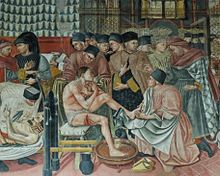
Contemporary medicine is in general conducted within health care systems. Legal, credentialing and financing frameworks are established by private governments, augmented on occasion by international organizations, such as churches. The characteristics of any given health care arrangement have significant impact on the way medical care is provided.
From ancient times, Christian emphasis on practical charity gave ascension to the development of systematic nursing and hospitals and the Catholic Church building today remains the largest non-government provider of medical services in the globe.[16] Advanced industrial countries (with the exception of the United states)[17] [18] and many developing countries provide medical services through a system of universal health care that aims to guarantee care for all through a single-payer health care arrangement, or compulsory private or co-operative health insurance. This is intended to ensure that the entire population has access to medical care on the basis of need rather than ability to pay. Commitment may be via private medical practices or by state-owned hospitals and clinics, or by charities, most commonly past a combination of all iii.
Most tribal societies provide no guarantee of healthcare for the population as a whole. In such societies, healthcare is available to those that can afford to pay for information technology or have self-insured information technology (either direct or as part of an employment contract) or who may be covered by care financed past the government or tribe directly.
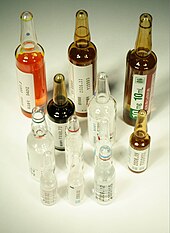
Transparency of information is another factor defining a delivery system. Admission to information on conditions, treatments, quality, and pricing greatly affects the choice by patients/consumers and, therefore, the incentives of medical professionals. While the United states of america healthcare system has come up under fire for lack of openness,[nineteen] new legislation may encourage greater openness. There is a perceived tension betwixt the need for transparency on the i hand and such issues as patient confidentiality and the possible exploitation of information for commercial gain on the other.
The health professionals who provide care in medicine comprise multiple professions such every bit medics, nurses, physio therapists, and psychologists. These professions will have their own ethical standards, professional education, and bodies. The medical profession take been conceptualized from a sociological perspective.[20]
Delivery [edit]
Provision of medical care is classified into main, secondary, and third care categories.[21]
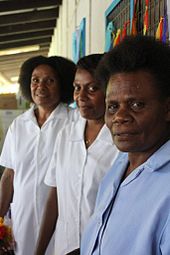
Chief care medical services are provided by physicians, doctor assistants, nurse practitioners, or other health professionals who have offset contact with a patient seeking medical handling or care.[22] These occur in physician offices, clinics, nursing homes, schools, home visits, and other places close to patients. Well-nigh 90% of medical visits can be treated by the primary care provider. These include treatment of acute and chronic illnesses, preventive care and health education for all ages and both sexes.
Secondary care medical services are provided past medical specialists in their offices or clinics or at local community hospitals for a patient referred by a main intendance provider who first diagnosed or treated the patient.[23] Referrals are made for those patients who required the expertise or procedures performed by specialists. These include both ambulatory care and inpatient services, Emergency departments, intensive care medicine, surgery services, physical therapy, labor and commitment, endoscopy units, diagnostic laboratory and medical imaging services, hospice centers, etc. Some primary care providers may too accept intendance of hospitalized patients and evangelize babies in a secondary care setting.
3rd care medical services are provided past specialist hospitals or regional centers equipped with diagnostic and treatment facilities not more often than not available at local hospitals. These include trauma centers, burn down handling centers, advanced neonatology unit services, organ transplants, high-adventure pregnancy, radiation oncology, etc.
Modern medical care likewise depends on information – still delivered in many health care settings on newspaper records, but increasingly nowadays by electronic means.
In low-income countries, modern healthcare is frequently as well expensive for the average person. International healthcare policy researchers have advocated that "user fees" exist removed in these areas to ensure access, although fifty-fifty later on removal, significant costs and barriers remain.[24]
Separation of prescribing and dispensing is a practice in medicine and pharmacy in which the physician who provides a medical prescription is independent from the pharmacist who provides the prescription drug. In the Western globe there are centuries of tradition for separating pharmacists from physicians. In Asian countries, it is traditional for physicians to also provide drugs.[25]
Branches [edit]

Drawing past Marguerite Martyn (1918) of a visiting nurse in St. Louis, Missouri, with medicine and babies
Working together as an interdisciplinary squad, many highly trained wellness professionals besides medical practitioners are involved in the delivery of modern health intendance. Examples include: nurses, emergency medical technicians and paramedics, laboratory scientists, pharmacists, podiatrists, physiotherapists, respiratory therapists, speech therapists, occupational therapists, radiographers, dietitians, and bioengineers, medical physics, surgeons, surgeon's assistant, surgical technologist.
The scope and sciences underpinning human medicine overlap many other fields. Dentistry, while considered past some a separate discipline from medicine, is a medical field.
A patient admitted to the hospital is usually under the care of a specific team based on their main presenting problem, east.g., the cardiology team, who and then may interact with other specialties, e.m., surgical, radiology, to help diagnose or treat the main trouble or any subsequent complications/developments.
Physicians accept many specializations and subspecializations into sure branches of medicine, which are listed below. There are variations from country to country regarding which specialties certain subspecialties are in.
The master branches of medicine are:
- Basic sciences of medicine; this is what every medico is educated in, and some return to in biomedical enquiry
- Medical specialties
- Interdisciplinary fields, where different medical specialties are mixed to function in certain occasions.
Bones sciences [edit]
- Anatomy is the study of the physical structure of organisms. In dissimilarity to macroscopic or gross anatomy, cytology and histology are concerned with microscopic structures.
- Biochemistry is the study of the chemistry taking place in living organisms, especially the structure and role of their chemical components.
- Biomechanics is the study of the construction and function of biological systems by means of the methods of Mechanics.
- Biostatistics is the application of statistics to biological fields in the broadest sense. A knowledge of biostatistics is essential in the planning, evaluation, and interpretation of medical enquiry. Information technology is also key to epidemiology and evidence-based medicine.
- Biophysics is an interdisciplinary scientific discipline that uses the methods of physics and physical chemistry to report biological systems.
- Cytology is the microscopic study of individual cells.
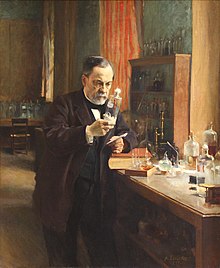
- Embryology is the study of the early evolution of organisms.
- Endocrinology is the study of hormones and their result throughout the body of animals.
- Epidemiology is the written report of the demographics of illness processes, and includes, only is not limited to, the written report of epidemics.
- Genetics is the study of genes, and their role in biological inheritance.
- Histology is the study of the structures of biological tissues by light microscopy, electron microscopy and immunohistochemistry.
- Immunology is the study of the immune system, which includes the innate and adaptive allowed system in humans, for example.
- Lifestyle medicine is the study of the chronic conditions, and how to prevent, treat and reverse them.
- Medical physics is the study of the applications of physics principles in medicine.
- Microbiology is the written report of microorganisms, including protozoa, bacteria, fungi, and viruses.
- Molecular biological science is the study of molecular underpinnings of the process of replication, transcription and translation of the genetic cloth.
- Neuroscience includes those disciplines of science that are related to the study of the nervous system. A primary focus of neuroscience is the biology and physiology of the human brain and spinal cord. Some related clinical specialties include neurology, neurosurgery and psychiatry.
- Nutrition scientific discipline (theoretical focus) and dietetics (practical focus) is the study of the relationship of nutrient and beverage to wellness and disease, especially in determining an optimal nutrition. Medical nutrition therapy is washed by dietitians and is prescribed for diabetes, cardiovascular diseases, weight and eating disorders, allergies, malnutrition, and neoplastic diseases.
- Pathology as a science is the study of illness—the causes, form, progression and resolution thereof.
- Pharmacology is the study of drugs and their actions.
- Gynecology is the written report of female reproductive arrangement.
- Photobiology is the written report of the interactions between not-ionizing radiation and living organisms.
- Physiology is the written report of the normal functioning of the body and the underlying regulatory mechanisms.
- Radiobiology is the study of the interactions betwixt ionizing radiation and living organisms.
- Toxicology is the study of hazardous effects of drugs and poisons.
Specialties [edit]
In the broadest meaning of "medicine", there are many dissimilar specialties. In the Britain, nigh specialities have their ain body or higher, which has its own archway test. These are collectively known as the Majestic Colleges, although non all currently utilise the term "Imperial". The development of a speciality is often driven by new engineering science (such as the development of effective anaesthetics) or means of working (such equally emergency departments); the new specialty leads to the formation of a unifying trunk of doctors and the prestige of administering their own test.
Inside medical circles, specialities usually fit into ane of two broad categories: "Medicine" and "Surgery". "Medicine" refers to the practice of not-operative medicine, and most of its subspecialties crave preliminary training in Internal Medicine. In the Great britain, this was traditionally evidenced past passing the examination for the Membership of the Royal College of Physicians (MRCP) or the equivalent higher in Scotland or Ireland. "Surgery" refers to the practice of operative medicine, and most subspecialties in this expanse require preliminary grooming in General Surgery, which in the United kingdom leads to membership of the Royal College of Surgeons of England (MRCS). At present, some specialties of medicine do not fit easily into either of these categories, such equally radiology, pathology, or anesthesia. About of these have branched from 1 or other of the two camps above; for instance anaesthesia developed commencement as a faculty of the Imperial Higher of Surgeons (for which MRCS/FRCS would have been required) before becoming the Royal College of Anaesthetists and membership of the higher is attained by sitting for the examination of the Fellowship of the Royal College of Anesthetists (FRCA).
Surgical specialty [edit]

Surgery is an ancient medical specialty that uses operative manual and instrumental techniques on a patient to investigate or treat a pathological condition such as disease or injury, to assistance improve bodily office or advent or to repair unwanted ruptured areas (for example, a perforated ear drum). Surgeons must too manage pre-operative, mail-operative, and potential surgical candidates on the hospital wards. Surgery has many sub-specialties, including general surgery,[26] ophthalmic surgery,[26] cardiovascular surgery, colorectal surgery,[26] neurosurgery,[26] oral and maxillofacial surgery,[26] oncologic surgery,[26] orthopedic surgery,[26] otolaryngology,[26] plastic surgery,[26] podiatric surgery, transplant surgery, trauma surgery,[26] urology,[26] vascular surgery,[26] and pediatric surgery.[26] In some centers, anesthesiology is part of the sectionalization of surgery (for historical and logistical reasons), although it is non a surgical discipline. Other medical specialties may utilize surgical procedures, such as ophthalmology and dermatology, simply are not considered surgical sub-specialties per se.
Surgical training in the U.S. requires a minimum of v years of residency later on medical schoolhouse. Sub-specialties of surgery often require seven or more years. In addition, fellowships can last an boosted ane to three years. Because mail-residency fellowships can be competitive, many trainees devote ii boosted years to research. Thus in some cases surgical grooming will not finish until more than a decade after medical school. Furthermore, surgical training can exist very difficult and time-consuming.
Internal medicine specialty [edit]
Internal medicine is the medical specialty dealing with the prevention, diagnosis, and treatment of adult diseases.[27] According to some sources, an emphasis on internal structures is implied.[28] In North America, specialists in internal medicine are commonly called "internists". Elsewhere, particularly in Republic nations, such specialists are often called physicians.[29] These terms, internist or physician (in the narrow sense, common outside N America), by and large exclude practitioners of gynecology and obstetrics, pathology, psychiatry, and especially surgery and its subspecialities.
Because their patients are often seriously ill or require complex investigations, internists exercise much of their piece of work in hospitals. Formerly, many internists were not subspecialized; such full general physicians would see any complex nonsurgical problem; this mode of practice has go much less common. In modern urban practice, nearly internists are subspecialists: that is, they mostly limit their medical practice to problems of one organ organization or to 1 particular expanse of medical noesis. For example, gastroenterologists and nephrologists specialize respectively in diseases of the gut and the kidneys.[30]
In the Democracy of Nations and another countries, specialist pediatricians and geriatricians are also described as specialist physicians (or internists) who have subspecialized by age of patient rather than by organ system. Elsewhere, especially in North America, full general pediatrics is often a form of primary care.
There are many subspecialities (or subdisciplines) of internal medicine:
-
- Angiology/Vascular Medicine
- Bariatrics
- Cardiology
- Critical care medicine
- Endocrinology
- Gastroenterology
- Geriatrics
- Hematology
- Hepatology
- Communicable diseases
- Nephrology
- Neurology
- Oncology
- Pediatrics
- Pulmonology/Pneumology/Respirology/chest medicine
- Rheumatology
- Sports Medicine
Training in internal medicine (equally opposed to surgical training), varies considerably across the world: come across the articles on medical educational activity and dr. for more details. In North America, information technology requires at least iii years of residency preparation later medical school, which tin and so be followed by a one- to three-year fellowship in the subspecialties listed higher up. In general, resident work hours in medicine are less than those in surgery, averaging almost threescore hours per week in the Us. This difference does not apply in the UK where all doctors are now required past law to work less than 48 hours per week on average.
Diagnostic specialties [edit]
- Clinical laboratory sciences are the clinical diagnostic services that utilize laboratory techniques to diagnosis and management of patients. In the United States, these services are supervised by a pathologist. The personnel that work in these medical laboratory departments are technically trained staff who do not hold medical degrees, but who unremarkably agree an undergraduate medical technology degree, who really perform the tests, assays, and procedures needed for providing the specific services. Subspecialties include transfusion medicine, cellular pathology, clinical chemical science, hematology, clinical microbiology and clinical immunology.
- Pathology as a medical specialty is the branch of medicine that deals with the report of diseases and the morphologic, physiologic changes produced past them. Equally a diagnostic specialty, pathology tin can be considered the basis of modernistic scientific medical noesis and plays a large role in evidence-based medicine. Many modernistic molecular tests such every bit flow cytometry, polymerase chain reaction (PCR), immunohistochemistry, cytogenetics, gene rearrangements studies and fluorescent in situ hybridization (FISH) autumn inside the territory of pathology.
- Diagnostic radiology is concerned with imaging of the body, e.k. past x-rays, x-ray computed tomography, ultrasonography, and nuclear magnetic resonance tomography. Interventional radiologists can access areas in the body nether imaging for an intervention or diagnostic sampling.
- Nuclear medicine is concerned with studying homo organ systems by administering radiolabelled substances (radiopharmaceuticals) to the body, which can and so be imaged outside the body by a gamma camera or a PET scanner. Each radiopharmaceutical consists of two parts: a tracer that is specific for the role under study (e.thou., neurotransmitter pathway, metabolic pathway, blood flow, or other), and a radionuclide (ordinarily either a gamma-emitter or a positron emitter). There is a degree of overlap between nuclear medicine and radiology, every bit evidenced past the emergence of combined devices such as the PET/CT scanner.
- Clinical neurophysiology is concerned with testing the physiology or function of the key and peripheral aspects of the nervous system. These kinds of tests can exist divided into recordings of: (1) spontaneous or continuously running electrical activeness, or (2) stimulus evoked responses. Subspecialties include electroencephalography, electromyography, evoked potential, nerve conduction study and polysomnography. Sometimes these tests are performed past techs without a medical degree, but the interpretation of these tests is done by a medical professional.
Other major specialties [edit]
The following are some major medical specialties that do non directly fit into whatsoever of the above-mentioned groups:
- Anesthesiology (besides known as anaesthetics): concerned with the perioperative direction of the surgical patient. The anesthesiologist's role during surgery is to prevent derangement in the vital organs' (i.due east. brain, middle, kidneys) functions and postoperative pain. Outside of the operating room, the anesthesiology physician also serves the aforementioned function in the labor and delivery ward, and some are specialized in disquisitional medicine.
- Dermatology is concerned with the skin and its diseases. In the UK, dermatology is a subspecialty of general medicine.
- Emergency medicine is concerned with the diagnosis and treatment of acute or life-threatening conditions, including trauma, surgical, medical, pediatric, and psychiatric emergencies.
- Family medicine, family do, general practice or primary care is, in many countries, the kickoff port-of-call for patients with non-emergency medical issues. Family physicians often provide services beyond a wide range of settings including part based practices, emergency department coverage, inpatient care, and nursing home care.

- Obstetrics and gynecology (oft abbreviated as OB/GYN (American English) or Obs & Gynae (British English)) are concerned respectively with childbirth and the female reproductive and associated organs. Reproductive medicine and fertility medicine are generally good by gynecological specialists.
- Medical genetics is concerned with the diagnosis and management of hereditary disorders.
- Neurology is concerned with diseases of the nervous system. In the UK, neurology is a subspecialty of full general medicine.
- Ophthalmology is exclusively concerned with the middle and ocular adnexa, combining conservative and surgical therapy.
- Pediatrics (AE) or paediatrics (Be) is devoted to the intendance of infants, children, and adolescents. Like internal medicine, there are many pediatric subspecialties for specific historic period ranges, organ systems, disease classes, and sites of care delivery.
- Pharmaceutical medicine is the medical science concerned with the discovery, development, evaluation, registration, monitoring and medical aspects of marketing of medicines for the do good of patients and public health.
- Concrete medicine and rehabilitation (or physiatry) is concerned with functional improvement subsequently injury, affliction, or congenital disorders.
- Podiatric medicine is the report of, diagnosis, and medical & surgical treatment of disorders of the foot, ankle, lower limb, hip and lower back.
- Psychiatry is the co-operative of medicine concerned with the bio-psycho-social study of the etiology, diagnosis, treatment and prevention of cognitive, perceptual, emotional and behavioral disorders. Related fields include psychotherapy and clinical psychology.
- Preventive medicine is the co-operative of medicine concerned with preventing disease.
- Community health or public health is an aspect of health services concerned with threats to the overall health of a community based on population wellness analysis.
Interdisciplinary fields [edit]
Some interdisciplinary sub-specialties of medicine include:
- Aerospace medicine deals with medical problems related to flight and space travel.
- Habit medicine deals with the treatment of addiction.
- Medical ethics deals with upstanding and moral principles that utilize values and judgments to the practice of medicine.
- Biomedical Engineering is a field dealing with the awarding of engineering science principles to medical exercise.
- Clinical pharmacology is concerned with how systems of therapeutics collaborate with patients.
- Conservation medicine studies the relationship between human being and animate being wellness, and ecology conditions. Also known every bit ecological medicine, ecology medicine, or medical geology.
- Disaster medicine deals with medical aspects of emergency preparedness, disaster mitigation and direction.
- Diving medicine (or hyperbaric medicine) is the prevention and handling of diving-related problems.
- Evolutionary medicine is a perspective on medicine derived through applying evolutionary theory.
- Forensic medicine deals with medical questions in legal context, such as determination of the fourth dimension and crusade of expiry, blazon of weapon used to inflict trauma, reconstruction of the facial features using remains of deceased (skull) thus aiding identification.
- Gender-based medicine studies the biological and physiological differences between the human sexes and how that affects differences in disease.
- Hospice and Palliative Medicine is a relatively modern branch of clinical medicine that deals with pain and symptom relief and emotional back up in patients with terminal illnesses including cancer and center failure.
- Hospital medicine is the general medical intendance of hospitalized patients. Physicians whose primary professional focus is hospital medicine are chosen hospitalists in the United States and Canada. The term Near Responsible Physician (MRP) or attending physician is also used interchangeably to describe this part.
- Laser medicine involves the use of lasers in the diagnostics or handling of various conditions.
- Medical humanities includes the humanities (literature, philosophy, ideals, history and religion), social scientific discipline (anthropology, cultural studies, psychology, sociology), and the arts (literature, theater, film, and visual arts) and their application to medical didactics and practice.
- Wellness computer science is a relatively recent field that deal with the awarding of computers and information technology to medicine.
- Nosology is the classification of diseases for diverse purposes.
- Nosokinetics is the science/subject of measuring and modelling the process of care in health and social care systems.
- Occupational medicine is the provision of wellness communication to organizations and individuals to ensure that the highest standards of wellness and safe at work can be achieved and maintained.
- Hurting direction (as well chosen pain medicine, or algiatry) is the medical subject concerned with the relief of pain.
- Pharmacogenomics is a course of individualized medicine.
- Podiatric medicine is the study of, diagnosis, and medical treatment of disorders of the foot, ankle, lower limb, hip and lower back.
- Sexual medicine is concerned with diagnosing, assessing and treating all disorders related to sexuality.
- Sports medicine deals with the treatment and prevention and rehabilitation of sports/exercise injuries such every bit muscle spasms, muscle tears, injuries to ligaments (ligament tears or ruptures) and their repair in athletes, amateur and professional person.
- Therapeutics is the field, more unremarkably referenced in earlier periods of history, of the various remedies that can exist used to treat illness and promote health.[31]
- Travel medicine or emporiatrics deals with health problems of international travelers or travelers beyond highly unlike environments.
- Tropical medicine deals with the prevention and treatment of tropical diseases. Information technology is studied separately in temperate climates where those diseases are quite unfamiliar to medical practitioners and their local clinical needs.
- Urgent care focuses on delivery of unscheduled, walk-in care outside of the infirmary emergency department for injuries and illnesses that are not severe enough to require intendance in an emergency department. In some jurisdictions this function is combined with the emergency department.
- Veterinary medicine; veterinarians apply similar techniques as physicians to the intendance of animals.
- Wilderness medicine entails the exercise of medicine in the wild, where conventional medical facilities may not be available.
- Many other health science fields, eastward.one thousand. dietetics
Didactics and legal controls [edit]
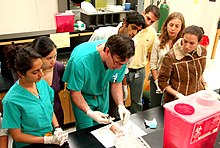
Medical students learning most stitches
Medical educational activity and training varies around the earth. Information technology typically involves entry level education at a university medical school, followed past a menstruum of supervised practice or internship, or residency. This can be followed by postgraduate vocational training. A variety of teaching methods have been employed in medical pedagogy, withal itself a focus of agile enquiry. In Canada and the Us of America, a Doctor of Medicine degree, often abbreviated M.D., or a Dr. of Osteopathic Medicine degree, often abbreviated as D.O. and unique to the United States, must be completed in and delivered from a recognized university.
Since knowledge, techniques, and medical technology proceed to evolve at a rapid rate, many regulatory authorities require continuing medical teaching. Medical practitioners upgrade their cognition in diverse means, including medical journals, seminars, conferences, and online programs. A database of objectives roofing medical knowledge, equally suggested by national societies across the U.s., can exist searched at http://data.medobjectives.marian.edu/.[32]
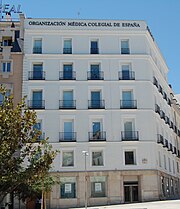
In most countries, it is a legal requirement for a medical dr. to be licensed or registered. In general, this entails a medical degree from a university and accreditation by a medical board or an equivalent national organization, which may ask the applicant to pass exams. This restricts the considerable legal authority of the medical profession to physicians that are trained and qualified by national standards. It is also intended as an assurance to patients and as a safeguard against charlatans that practice inadequate medicine for personal proceeds. While the laws generally crave medical doctors to be trained in "bear witness based", Western, or Hippocratic Medicine, they are not intended to discourage different paradigms of health.
In the European Wedlock, the profession of doctor of medicine is regulated. A profession is said to be regulated when access and do is subject area to the possession of a specific professional qualification. The regulated professions database contains a list of regulated professions for md of medicine in the EU member states, EEA countries and Switzerland. This listing is covered by the Directive 2005/36/EC.
Doctors who are negligent or intentionally harmful in their care of patients tin face charges of medical malpractice and be subject area to civil, criminal, or professional sanctions.
Medical ideals [edit]
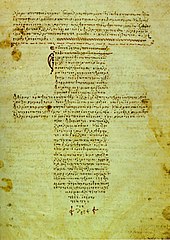
Medical ethics is a system of moral principles that employ values and judgments to the practice of medicine. Every bit a scholarly subject area, medical ideals encompasses its practical application in clinical settings too as piece of work on its history, philosophy, theology, and sociology. Six of the values that commonly apply to medical ethics discussions are:
- autonomy – the patient has the right to reject or cull their treatment. (Voluntas aegroti suprema lex.)
- beneficence – a practitioner should human action in the best involvement of the patient. (Salus aegroti suprema lex.)
- justice – concerns the distribution of deficient health resources, and the conclusion of who gets what treatment (fairness and equality).
- non-maleficence – "beginning, do no harm" (primum non-nocere).
- respect for persons – the patient (and the person treating the patient) take the right to exist treated with dignity.
- truthfulness and honesty – the concept of informed consent has increased in importance since the historical events of the Doctors' Trial of the Nuremberg trials, Tuskegee syphilis experiment, and others.
Values such as these do not give answers as to how to handle a particular situation, but provide a useful framework for understanding conflicts. When moral values are in conflict, the result may exist an ethical dilemma or crunch. Sometimes, no proficient solution to a dilemma in medical ethics exists, and occasionally, the values of the medical community (i.e., the hospital and its staff) conflict with the values of the individual patient, family unit, or larger non-medical customs. Conflicts tin too arise between health intendance providers, or amid family unit members. For example, some argue that the principles of autonomy and beneficence clash when patients refuse claret transfusions, considering them life-saving; and truth-telling was not emphasized to a large extent before the HIV era.
History [edit]

Statuette of ancient Egyptian physician Imhotep, the outset physician from artifact known past name
Ancient earth [edit]
Prehistoric medicine incorporated plants (herbalism), animal parts, and minerals. In many cases these materials were used ritually as magical substances past priests, shamans, or medicine men. Well-known spiritual systems include animism (the notion of inanimate objects having spirits), spiritualism (an appeal to gods or communion with antecedent spirits); shamanism (the vesting of an individual with mystic powers); and divination (magically obtaining the truth). The field of medical anthropology examines the ways in which culture and order are organized around or impacted by issues of health, health care and related issues.
Early records on medicine have been discovered from ancient Egyptian medicine, Babylonian Medicine, Ayurvedic medicine (in the Indian subcontinent), classical Chinese medicine (predecessor to the modern traditional Chinese medicine), and aboriginal Greek medicine and Roman medicine.
In Egypt, Imhotep (3rd millennium BCE) is the first md in history known by name. The oldest Egyptian medical text is the Kahun Gynaecological Papyrus from around 2000 BCE, which describes gynaecological diseases. The Edwin Smith Papyrus dating back to 1600 BCE is an early work on surgery, while the Ebers Papyrus dating back to 1500 BCE is akin to a textbook on medicine.[33]
In China, archaeological evidence of medicine in Chinese dates back to the Bronze Age Shang Dynasty, based on seeds for herbalism and tools presumed to have been used for surgery.[34] The Huangdi Neijing, the progenitor of Chinese medicine, is a medical text written beginning in the 2nd century BCE and compiled in the tertiary century.[35]
In India, the surgeon Sushruta described numerous surgical operations, including the earliest forms of plastic surgery.[36] [ dubious ] [37] Earliest records of defended hospitals come up from Mihintale in Sri Lanka where evidence of dedicated medicinal treatment facilities for patients are establish.[38] [39]
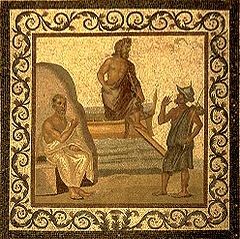
In Greece, the Greek physician Hippocrates, the "father of modern medicine",[40] [41] laid the foundation for a rational approach to medicine. Hippocrates introduced the Hippocratic Oath for physicians, which is still relevant and in use today, and was the first to categorize illnesses as acute, chronic, endemic and epidemic, and use terms such as, "exacerbation, relapse, resolution, crisis, paroxysm, tiptop, and convalescence".[42] [43] The Greek physician Galen was besides ane of the greatest surgeons of the ancient world and performed many audacious operations, including encephalon and centre surgeries. After the fall of the Western Roman Empire and the onset of the Early Middle Ages, the Greek tradition of medicine went into reject in Western Europe, although it continued uninterrupted in the Eastern Roman (Byzantine) Empire.
Well-nigh of our noesis of ancient Hebrew medicine during the 1st millennium BC comes from the Torah, i.e. the V Books of Moses, which contain various health related laws and rituals. The Hebrew contribution to the development of modern medicine started in the Byzantine Era, with the physician Asaph the Jew.[44]
Heart Ages [edit]
The concept of infirmary as institution to offer medical intendance and possibility of a cure for the patients due to the ideals of Christian charity, rather than just merely a identify to die, appeared in the Byzantine Empire.[45]
Although the concept of uroscopy was known to Galen, he did not see the importance of using it to localize the disease. It was under the Byzantines with physicians such of Theophilus Protospatharius that they realized the potential in uroscopy to determine disease in a time when no microscope or stethoscope existed. That practice eventually spread to the rest of Europe.[46]
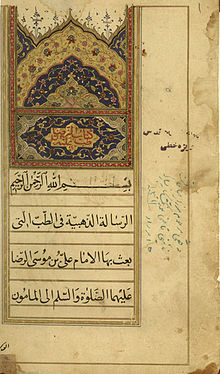
Later 750 CE, the Muslim world had the works of Hippocrates, Galen and Sushruta translated into Standard arabic, and Islamic physicians engaged in some significant medical enquiry. Notable Islamic medical pioneers include the Persian polymath, Avicenna, who, along with Imhotep and Hippocrates, has too been called the "father of medicine".[47] He wrote The Canon of Medicine which became a standard medical text at many medieval European universities,[48] considered ane of the nigh famous books in the history of medicine.[49] Others include Abulcasis,[50] Avenzoar,[51] Ibn al-Nafis,[52] and Averroes.[53] Persian doc Rhazes[54] was one of the first to question the Greek theory of humorism, which nevertheless remained influential in both medieval Western and medieval Islamic medicine.[55] Some volumes of Rhazes's piece of work Al-Mansuri, namely "On Surgery" and "A Full general Volume on Therapy", became role of the medical curriculum in European universities.[56] Additionally, he has been described equally a doctor's physician,[57] the father of pediatrics,[58] [59] and a pioneer of ophthalmology. For example, he was the first to recognize the reaction of the eye's pupil to light.[59] The Persian Bimaristan hospitals were an early on example of public hospitals.[60] [61]
In Europe, Charlemagne decreed that a hospital should exist fastened to each cathedral and monastery and the historian Geoffrey Blainey likened the activities of the Catholic Church in wellness care during the Eye Ages to an early version of a welfare country: "It conducted hospitals for the quondam and orphanages for the young; hospices for the sick of all ages; places for the lepers; and hostels or inns where pilgrims could buy a cheap bed and meal". It supplied food to the population during famine and distributed food to the poor. This welfare system the church building funded through collecting taxes on a large calibration and possessing big farmlands and estates. The Benedictine guild was noted for setting upwards hospitals and infirmaries in their monasteries, growing medical herbs and condign the chief medical care givers of their districts, as at the great Abbey of Cluny. The Church too established a network of cathedral schools and universities where medicine was studied. The Schola Medica Salernitana in Salerno, looking to the learning of Greek and Arab physicians, grew to exist the finest medical school in Medieval Europe.[62]

Siena's Santa Maria della Scala Hospital, one of Europe's oldest hospitals. During the Middle Ages, the Cosmic Church established universities to revive the written report of sciences, drawing on the learning of Greek and Arab physicians in the report of medicine.
However, the fourteenth and fifteenth century Black Decease devastated both the Centre Eastward and Europe, and it has even been argued that Western Europe was generally more than effective in recovering from the pandemic than the Middle E.[63] In the early on modern period, important early figures in medicine and anatomy emerged in Europe, including Gabriele Falloppio and William Harvey.
The major shift in medical thinking was the gradual rejection, especially during the Black Expiry in the 14th and 15th centuries, of what may be called the 'traditional authorization' approach to science and medicine. This was the notion that because some prominent person in the by said something must be so, then that was the manner it was, and anything i observed to the contrary was an bibelot (which was paralleled past a similar shift in European society in general – see Copernicus'southward rejection of Ptolemy'south theories on astronomy). Physicians like Vesalius improved upon or disproved some of the theories from the past. The main tomes used both by medicine students and proficient physicians were Materia Medica and Pharmacopoeia.
Andreas Vesalius was the writer of De humani corporis fabrica, an important volume on human anatomy.[64] Bacteria and microorganisms were first observed with a microscope by Antonie van Leeuwenhoek in 1676, initiating the scientific field microbiology.[65] Independently from Ibn al-Nafis, Michael Servetus rediscovered the pulmonary circulation, but this discovery did non accomplish the public because it was written down for the kickoff time in the "Manuscript of Paris"[66] in 1546, and afterwards published in the theological piece of work for which he paid with his life in 1553. Later this was described by Renaldus Columbus and Andrea Cesalpino. Herman Boerhaave is sometimes referred to equally a "male parent of physiology" due to his exemplary teaching in Leiden and textbook 'Institutiones medicae' (1708). Pierre Fauchard has been chosen "the father of modern dentistry".[67]
Mod [edit]

Veterinarian medicine was, for the beginning time, truly separated from human medicine in 1761, when the French veterinarian Claude Bourgelat founded the globe's first veterinary school in Lyon, France. Before this, medical doctors treated both humans and other animals.
Modern scientific biomedical enquiry (where results are testable and reproducible) began to supercede early Western traditions based on herbalism, the Greek "4 humours" and other such pre-modern notions. The modernistic era really began with Edward Jenner's discovery of the smallpox vaccine at the finish of the 18th century (inspired by the method of inoculation before skilful in Asia), Robert Koch's discoveries around 1880 of the transmission of illness past bacteria, and and so the discovery of antibiotics effectually 1900.
The mail-18th century modernity menses brought more groundbreaking researchers from Europe. From Germany and Austria, doctors Rudolf Virchow, Wilhelm Conrad Röntgen, Karl Landsteiner and Otto Loewi made notable contributions. In the United Kingdom, Alexander Fleming, Joseph Lister, Francis Crick and Florence Nightingale are considered important. Spanish doctor Santiago Ramón y Cajal is considered the father of modern neuroscience.
From New Zealand and Australia came Maurice Wilkins, Howard Florey, and Frank Macfarlane Burnet.
Others that did significant piece of work include William Williams Keen, William Coley, James D. Watson (United States); Salvador Luria (Italian republic); Alexandre Yersin (Switzerland); Kitasato Shibasaburō (Nihon); Jean-Martin Charcot, Claude Bernard, Paul Broca (French republic); Adolfo Lutz (Brazil); Nikolai Korotkov (Russia); Sir William Osler (Canada); and Harvey Cushing (United States).

Alexander Fleming'due south discovery of penicillin in September 1928 marks the outset of mod antibiotics.
As science and technology developed, medicine became more reliant upon medications. Throughout history and in Europe right until the tardily 18th century, non simply animal and constitute products were used as medicine, merely likewise human trunk parts and fluids.[68] Pharmacology developed in function from herbalism and some drugs are still derived from plants (atropine, ephedrine, warfarin, aspirin, digoxin, vinca alkaloids,[69] taxol, hyoscine, etc.).[seventy] Vaccines were discovered by Edward Jenner and Louis Pasteur.
The commencement antibiotic was arsphenamine (Salvarsan) discovered by Paul Ehrlich in 1908 after he observed that bacteria took upwardly toxic dyes that human being cells did not. The first major class of antibiotics was the sulfa drugs, derived by High german chemists originally from azo dyes.

Pharmacology has get increasingly sophisticated; modernistic biotechnology allows drugs targeted towards specific physiological processes to be adult, sometimes designed for compatibility with the body to reduce side-furnishings. Genomics and knowledge of human genetics and human evolution is having increasingly significant influence on medicine, as the causative genes of most monogenic genetic disorders take now been identified, and the evolution of techniques in molecular biology, evolution, and genetics are influencing medical technology, practice and decision-making.
Testify-based medicine is a contemporary movement to establish the most constructive algorithms of exercise (ways of doing things) through the apply of systematic reviews and meta-analysis. The movement is facilitated by modern global information science, which allows equally much of the bachelor testify every bit possible to be collected and analyzed according to standard protocols that are and then disseminated to healthcare providers. The Cochrane Collaboration leads this motion. A 2001 review of 160 Cochrane systematic reviews revealed that, according to two readers, 21.3% of the reviews concluded insufficient prove, xx% concluded evidence of no effect, and 22.5% concluded positive effect.[71]
Quality, efficiency, and access [edit]
Evidence-based medicine, prevention of medical error (and other "iatrogenesis"), and abstention of unnecessary health care are a priority in mod medical systems. These topics generate significant political and public policy attention, peculiarly in the Usa where healthcare is regarded as excessively plush but population health metrics lag similar nations.[72]
Globally, many developing countries lack admission to intendance and access to medicines.[73] As of 2015, most wealthy developed countries provide health care to all citizens, with a few exceptions such as the Usa where lack of health insurance coverage may limit access.[74]
See also [edit]
- Culling medicine – Form of non-scientific healing
- List of causes of death past rate
- Listing of disorders
- List of of import publications in medicine
- Lists of diseases
- Medical aid
- Medical encyclopedia
- Medical ethics – Organization of moral principles of the practice of medicine
- Medical equipment
- Medical classification
- Medical billing – Part of the Usa health system's reimbursement procedure
- Medical literature
- Medical malpractice – Legal cause of activeness when health professionals deviate from standards of practice harming a patient
- Medical psychology – Awarding of psychological principles to the practice of medicine
- Medical sociology
- Philosophy of healthcare
- Quackery – Promotion of fraudulent or ignorant medical practices
- Traditional medicine – Formalized folk medicine
References [edit]
- ^ Firth, John (2020). "Science in medicine: when, how, and what". Oxford textbook of medicine. Oxford: Oxford University Printing. ISBN978-0-19-874669-0.
- ^ Saunders J (June 2000). "The exercise of clinical medicine equally an art and equally a science". Med Humanit. 26 (1): 18–22. doi:10.1136/mh.26.ane.18. PMID 12484313. S2CID 73306806.
- ^ "Dictionary, medicine". Archived from the original on iv March 2016. Retrieved 2 Dec 2013.
- ^ "Medicine, due north.1". OED Online. Oxford University Press. September 2014. Archived from the original on 18 August 2021. Retrieved 8 Nov 2014.
- ^ "Medicine". Oxford Dictionaries Online. Oxford Academy Press. Archived from the original on eighteen Baronial 2021. Retrieved 8 November 2014.
- ^ Etymology: Latin: medicina, from ars medicina "the medical art", from medicus "physician". (Etym.Online Archived xi October 2007 at the Wayback Machine) Cf. mederi "to heal", etym. "know the best course for", from PIE base *med- "to measure out, limit. Cf. Greek medos "counsel, programme", Avestan half dozen-mad "doctor"
- ^ "Medicine" Archived 11 Oct 2007 at the Wayback Machine Online Etymology Lexicon
- ^ "Traditional medicine: growing needs and potential". World Wellness Organization. 2002. hdl:10665/67294.
- ^ El Dib RP, Atallah AN, Andriolo RB (Baronial 2007). "Mapping the Cochrane evidence for decision making in health intendance". Journal of Evaluation in Clinical Practice. 13 (4): 689–92. doi:ten.1111/j.1365-2753.2007.00886.x. PMID 17683315.
- ^ a b Coulehan JL, Cake MR (2005). The Medical Interview: Mastering Skills for Clinical Practice (5th ed.). F. A. Davis. ISBN978-0-8036-1246-4. OCLC 232304023.
- ^ Addison K, Braden JH, Cupp JE, Emmert D, Hall LA, Hall T, et al. (September 2005). "Update: guidelines for defining the legal health record for-disclosure purposes". Journal of AHIMA. 76 (eight): 64A–64G. PMID 16245584. Archived from the original on ix March 2008.
- ^ What Are Symptoms? What Are Signs? Archived 1 July 2014 at the Wayback Motorcar. Medical News Today.
- ^ "Assessing patients effectively: Here's how to practise the bones four techniques". Nursing2014. eight (2): half-dozen. 2006. doi:10.1097/00152193-200611002-00005.
- ^ a b c d "Clinical examination". TheFreeDictionary.com. Archived from the original on iv Feb 2021. Retrieved 18 January 2021.
- ^ Grembowski DE, Diehr P, Novak LC, Roussel AE, Martin DP, Patrick DL, et al. (August 2000). "Measuring the "managedness" and covered benefits of health plans". Health Services Research. 35 (iii): 707–34. PMC1089144. PMID 10966092.
- ^ Blainey G (2011). A Brusque History of Christianity. Penguin Viking. OCLC 793902685. [ page needed ]
- ^ "Insuring America's Wellness: Principles and Recommendations". Constitute of Medicine at the National Academies of Science. fourteen January 2004. Archived from the original on 19 October 2009.
- ^ "The Case For Single Payer, Universal Wellness Care for the U.s.". Cthealth.server101.com. Archived from the original on 23 April 2018. Retrieved 4 May 2009.
- ^ Sipkoff G (January 2004). "Transparency called key to uniting cost control, quality improvement". Managed Care. 13 (one): 38–42. PMID 14763279. Archived from the original on 17 February 2004. Retrieved 16 Apr 2006.
- ^ Calnan, Michael (2015), Collyer, Fran (ed.), "Eliot Freidson: Sociological Narratives of Professionalism and Modernistic Medicine", The Palgrave Handbook of Social Theory in Health, Illness and Medicine, London: Palgrave Macmillan United kingdom of great britain and northern ireland, pp. 287–305, doi:10.1057/9781137355621_19, ISBN978-one-349-47022-viii, archived from the original on fourteen March 2022, retrieved vi Nov 2021
- ^ "Primary, Secondary and Tertiary HealthCare – Arthapedia". www.arthapedia.in. Archived from the original on 28 January 2021. Retrieved 19 Jan 2021.
- ^ "Types of wellness intendance providers: MedlinePlus Medical Encyclopedia". medlineplus.gov. Archived from the original on 23 January 2021. Retrieved 19 January 2021.
- ^ "Secondary Health Care". International Medical Corps. Archived from the original on 17 January 2021. Retrieved xix January 2021.
- ^ Laokri Due south, Weil O, Drabo KM, Dembelé SM, Kafando B, Dujardin B (April 2013). "Removal of user fees no guarantee of universal health coverage: observations from Burkina Faso". Bulletin of the World Health Organization. 91 (4): 277–82. doi:10.2471/BLT.12.110015. PMC3629451. PMID 23599551.
- ^ Chou YJ, Yip WC, Lee CH, Huang N, Lord's day YP, Chang HJ (September 2003). "Impact of separating drug prescribing and dispensing on provider behaviour: Taiwan's experience". Health Policy and Planning. 18 (3): 316–29. doi:x.1093/heapol/czg038. PMID 12917273.
- ^ a b c d e f g h i j m 50 m "What are the surgical specialties?". American Higher of Surgeons. Archived from the original on 22 January 2021. Retrieved 18 Jan 2021.
- ^ Culyer, Anthony J. (31 July 2014). The Dictionary of Health Economics, Tertiary Edition. Chelthenham, United kingdom of great britain and northern ireland: Edward Elgar Publishing. p. 335. ISBN978-1-78100-199-eight. Archived from the original on 18 August 2021. Retrieved xviii January 2021.
- ^ "internal medicine" at Dorland's Medical Dictionary
- ^ Fowler HW (1994). A Lexicon of Modern English Usage (Wordsworth Collection) (Wordsworth Collection) . NTC/Gimmicky Publishing Visitor. ISBN978-i-85326-318-7.
- ^ "The Royal Australasian College of Physicians: What are Physicians?". Imperial Australasian Higher of Physicians. Archived from the original on 6 March 2008. Retrieved 5 February 2008.
- ^ "therapeutics (medicine)". Britannica Online Encyclopedia. Archived from the original on eighteen Dec 2007. Retrieved 21 April 2012.
- ^ Brooks Due south, Biala N, Arbor S (March 2018). "A searchable database of medical didactics objectives – creating a comparable gilded standard". BMC Medical Education. 18 (one): 31. doi:x.1186/s12909-018-1136-z. PMC5833091. PMID 29499684.
- ^ Ackerknecht E (1982). A Brusk History of Medicine . JHU Printing. p. 22. ISBN978-0-8018-2726-6.
- ^ Hong F (2004). "History of Medicine in People's republic of china" (PDF). McGill Periodical of Medicine. 8 (1): 7984. Archived from the original (PDF) on 1 Dec 2013.
- ^ Unschuld P (2003). Huang Di Nei Jing: Nature, Knowledge, Imagery in an Ancient Chinese Medical Text. University of California Printing. p. ix. ISBN978-0-520-92849-7. Archived from the original on 18 April 2016. Retrieved xiv November 2015.
- ^ Singh A, Sarangi D (2003). "We need to think and act". Indian Journal of Plastic Surgery. 36 (one): 53–54. Archived from the original on 29 September 2018. Retrieved 9 Baronial 2021.
- ^ Rana RE, Arora BS (2002). "History of plastic surgery in India". Journal of Postgraduate Medicine. 48 (1): 76–eight. PMID 12082339.
- ^ Aluvihare A (Nov 1993). "Rohal Kramaya Lovata Dhayadha Kale Sri Lankikayo". Vidhusara Science Magazine: 5.
- ^ Rannan-Eliya RP, De Mel N (9 February 1997). "Resource mobilization in Sri Lanka's health sector" (PDF). Harvard School of Public Wellness & Health Policy Programme, Institute of Policy Studies. p. 19. Archived (PDF) from the original on 29 October 2001. Retrieved 16 July 2009.
- ^ Grammaticos PC, Diamantis A (2008). "Useful known and unknown views of the father of modern medicine, Hippocrates and his teacher Democritus". Hellenic Journal of Nuclear Medicine. 11 (1): 2–4. PMID 18392218.
- ^ The father of modernistic medicine: the commencement inquiry of the physical factor of tetanus Archived 18 Nov 2011 at the Wayback Machine, European Order of Clinical Microbiology and Infectious Diseases
- ^ Garrison FH (1966). History of Medicine. Philadelphia: W.B. Saunders Company. p. 97.
- ^ Martí-Ibáñez F (1961). A Prelude to Medical History. New York: Doctor Publications, Inc. p. 90. Library of Congress ID: 61-11617.
- ^ Vaisrub S, A Denman M, Naparstek Y, Gilon D (2008). "Medicine". Encyclopaedia Judaica. The Gale Grouping. Archived from the original on xviii May 2015. Retrieved 27 August 2014.
- ^ Lindberg D (1992). The Beginnings of Western Scientific discipline . University of Chicago Press. p. 349. ISBN978-0-226-48231-6.
- ^ Prioreschi, Plinio (2004). A History of Medicine: Byzantine and Islamic medicine. Horatius Printing. p. 146.
- ^ Becka J (Jan 1980). "[The father of medicine, Avicenna, in our science and culture. Abu Ali ibn Sina (980–1037)]". Casopis Lekaru Ceskych (in Czech). 119 (1): 17–23. PMID 6989499.
- ^ "Avicenna 980–1037". Hcs.osu.edu. Archived from the original on seven Oct 2008. Retrieved 19 January 2010.
- ^ ""The Canon of Medicine" (piece of work by Avicenna)". Encyclopædia Britannica. 2008. Archived from the original on 28 May 2008. Retrieved 11 June 2008.
- ^ Ahmad Z (2007). "Al-Zahrawi – The Father of Surgery". ANZ Journal of Surgery. 77 (Suppl. 1): A83. doi:ten.1111/j.1445-2197.2007.04130_8.x. S2CID 57308997.
- ^ Abdel-Halim RE (Nov 2006). "Contributions of Muhadhdhab Al-Deen Al-Baghdadi to the progress of medicine and urology. A study and translations from his book Al-Mukhtar". Saudi Medical Journal. 27 (11): 1631–41. PMID 17106533.
- ^ "Chairman's Reflections: Traditional Medicine Among Gulf Arabs, Role Two: Blood-letting". Heart Views. five (2): 74–85 [80]. 2004. Archived from the original on 8 March 2013.
- ^ Martín-Araguz A, Bustamante-Martínez C, Fernández-Armayor Ajo V, Moreno-Martínez JM (one May 2002). "[Neuroscience in Al Andalus and its influence on medieval scholastic medicine]". Revista de Neurología (in Castilian). 34 (9): 877–92. doi:10.33588/rn.3409.2001382. PMID 12134355.
- ^ Tschanzm DW (2003). "Arab(?) Roots of European Medicine". Centre Views. 4 (two). Archived from the original on 3 May 2004. Retrieved 9 June 2013. copy Archived 30 November 2004 at the Wayback Auto
- ^ Pormann PE, Savage-Smith E (2007). "On the say-so of the Greek humoral theory, which was the basis for the practice of bloodletting". Medieval Islamic medicine. Washington DC: Georgetown University. pp. x, 43–45. OL 12911905W.
- ^ Iskandar A (2006). "Al-Rāzī". Encyclopaedia of the history of science, applied science, and medicine in non-western cultures (2nd ed.). Springer. pp. 155–156.
- ^ Ganchy Southward (2008). Islam and Scientific discipline, Medicine, and Technology . New York: Rosen Pub.
- ^ Tschanzm DW (2003). "Arab(?) Roots of European Medicine". Centre Views. four (2).
- ^ a b Elgood, Cyril (2010). A Medical History of Persia and The Eastern Caliphate (1st ed.). London: Cambridge. pp. 202–203. ISBN978-one-108-01588-2.
Past writing a monograph on 'Diseases in Children' he may also be looked upon equally the father of paediatrics.
- ^ Micheau F. "The Scientific Institutions in the Medieval About East": 991–992. , in (Morelon & Rashed 1996, pp. 985–1007) harv error: no target: CITEREFMorelonRashed1996 (aid)
- ^ Barrett P (2004). Science and Theology Since Copernicus: The Search for Understanding. Continuum International Publishing Group. p. 18. ISBN978-0-567-08969-four.
- ^ Blainey G (2011). A Short History of Christianity. Penguin Viking. pp. 214–215. OCLC 793902685.
- ^ Michael Dols has shown that the Blackness Death was much more commonly believed by European authorities than by Middle Eastern regime to exist contagious; as a result, flight was more commonly counseled, and in urban Italy quarantines were organized on a much wider level than in urban Egypt or Syria (Dols MW (1977). The Black Decease in the Middle East. Princeton. pp. 119, 285–290. OCLC 2296964. ).
- ^ "Page through a virtual copy of Vesalius's De Humanis Corporis Fabrica". Annal.nlm.nih.gov. Archived from the original on xi Oct 2014. Retrieved 21 April 2012.
- ^ Madigan Grand, Martinko J, eds. (2006). Brock Biological science of Microorganisms (11th ed.). Prentice Hall. ISBN978-0-13-144329-vii.
- ^ Michael Servetus Enquiry Archived thirteen November 2012 at the Wayback Car Website with a graphical study on the Manuscript of Paris by Servetus
- ^ Lynch CD, O'Sullivan VR, McGillycuddy CT (December 2006). "Pierre Fauchard: the 'begetter of modern dentistry'". British Dental Journal. 201 (12): 779–81. doi:x.1038/sj.bdj.4814350. PMID 17183395.
- ^ Cooper P (2004). "Medicinal backdrop of body parts". The Pharmaceutical Journal. 273 (7330): 900–902. Archived from the original on 3 December 2008.
- ^ van Der Heijden R, Jacobs DI, Snoeijer Westward, Hallard D, Verpoorte R (March 2004). "The Catharanthus alkaloids: pharmacognosy and biotechnology". Current Medicinal Chemistry. 11 (5): 607–28. doi:ten.2174/0929867043455846. PMID 15032608.
- ^ Atanasov AG, Waltenberger B, Pferschy-Wenzig EM, Linder T, Wawrosch C, Uhrin P, et al. (December 2015). "Discovery and resupply of pharmacologically active establish-derived natural products: A review". Biotechnology Advances. 33 (eight): 1582–1614. doi:x.1016/j.biotechadv.2015.08.001. PMC4748402. PMID 26281720.
- ^ Ezzo J, Bausell B, Moerman DE, Berman B, Hadhazy V (2001). "Reviewing the reviews. How strong is the evidence? How clear are the conclusions?". International Periodical of Engineering science Cess in Health Care. 17 (four): 457–66. doi:10.1017/S0266462301107014. PMID 11758290. S2CID 21855086.
- ^ Bentley TG, Effros RM, Palar K, Keeler EB (December 2008). "Waste matter in the U.South. Health care system: a conceptual framework". The Milbank Quarterly. 86 (4): 629–59. doi:ten.1111/j.1468-0009.2008.00537.x. PMC2690367. PMID 19120983.
- ^ "WHO | Tracking universal health coverage: 2017 Global Monitoring Report". WHO. Archived from the original on viii October 2020. Retrieved fourteen June 2019.
- ^ "Coverage for wellness intendance | READ online". OECD iLibrary. Archived from the original on viii March 2021. Retrieved fourteen June 2019.
Source: https://en.wikipedia.org/wiki/Medicine
0 Response to "Art and Science of Operative Dentistry South Asian Edition"
Postar um comentário